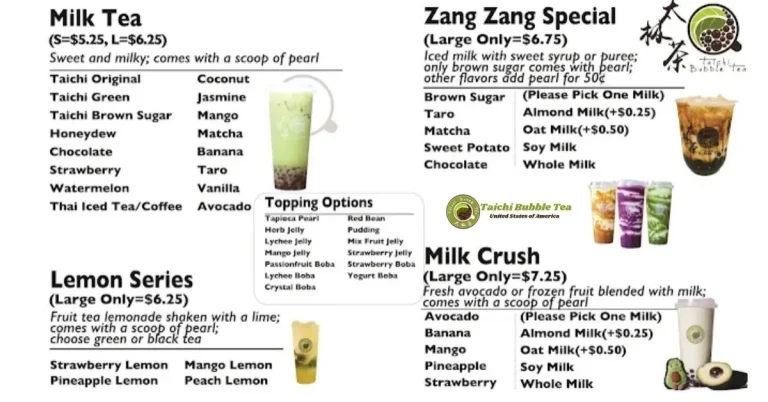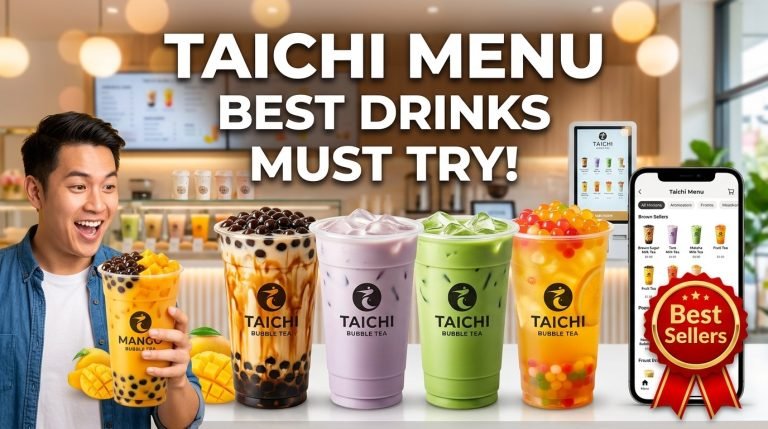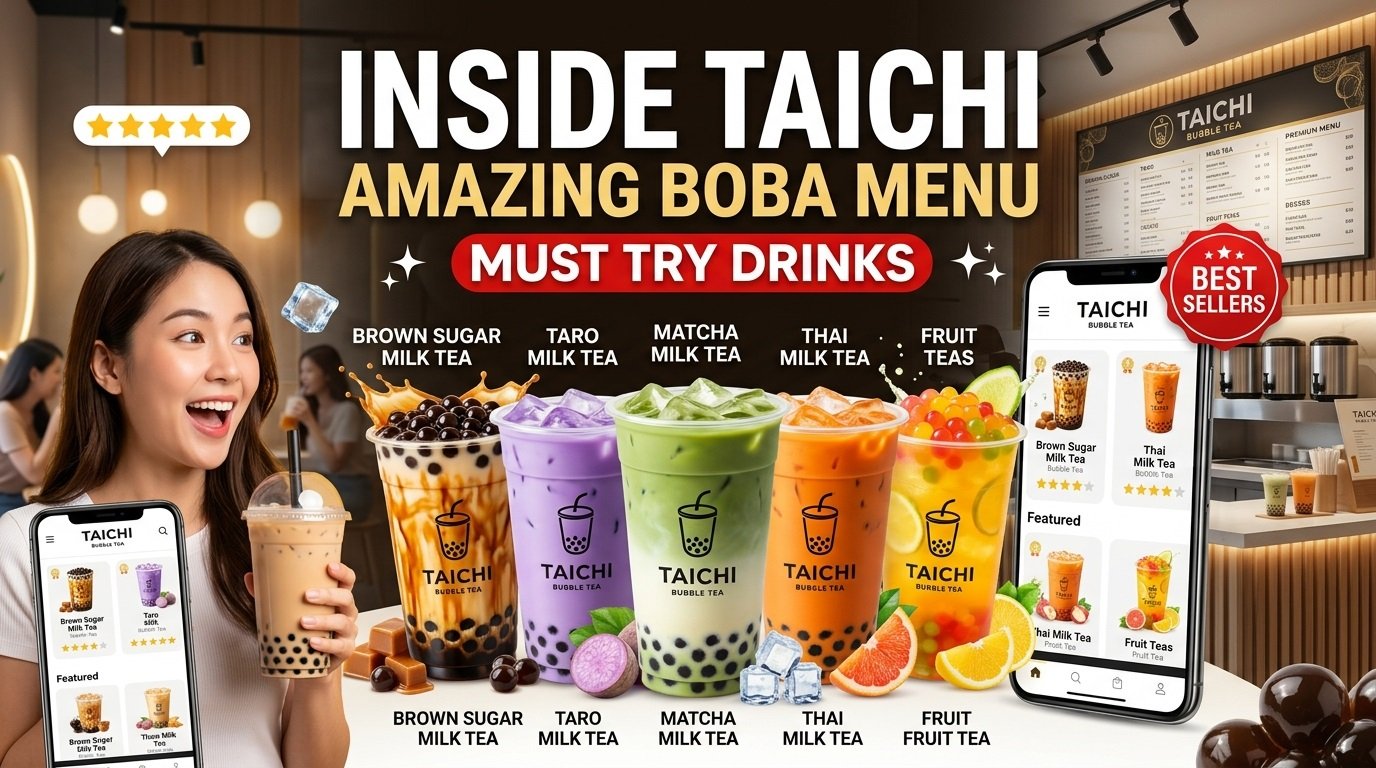
I’ll be honest with you—when I first walked into a Taichi Bubble Tea location about three years ago, I had no idea what I was getting myself into. The menu board stretched across the entire wall, filled with colorful photos and what seemed like hundreds of options. I stood there, probably looking completely lost, until a friendly staff member asked if I needed help. That moment sparked my ongoing fascination with what has become one of the most interesting bubble tea chains I’ve encountered.
Today, I want to take you on a journey through the Taichi bubble tea menu—not just listing what they offer, but really exploring what makes this chain stand out in an increasingly crowded market. Whether you’re a bubble tea veteran or someone who’s never quite understood the hype, stick with me. We’re going deep.
The Taichi Story: Understanding the Foundation
Before we dive into the menu itself, it helps to understand where Taichi Bubble Tea comes from. Founded in Taiwan (the birthplace of bubble tea itself), Taichi has grown into an international chain with locations across Asia, North America, and beyond. What sets them apart isn’t just their Taiwanese roots—plenty of shops can claim that—but rather their commitment to what they call “tea-first” philosophy.
Unlike some chains that lean heavily into dessert-like concoctions, Taichi positions itself as a place where the quality of the tea actually matters. During my research and multiple visits, I’ve noticed they’re quite proud of their tea sourcing, often highlighting that their leaves come from specific regions in Taiwan known for tea cultivation. Whether you can taste the difference is subjective (more on that later), but the intention is clear.
Breaking Down the Core Menu Categories
The Taichi bubble tea menu organizes itself into several main categories, which I’ve found makes ordering significantly less overwhelming once you understand the system.
Classic Milk Teas: The Heart of Any Boba Shop
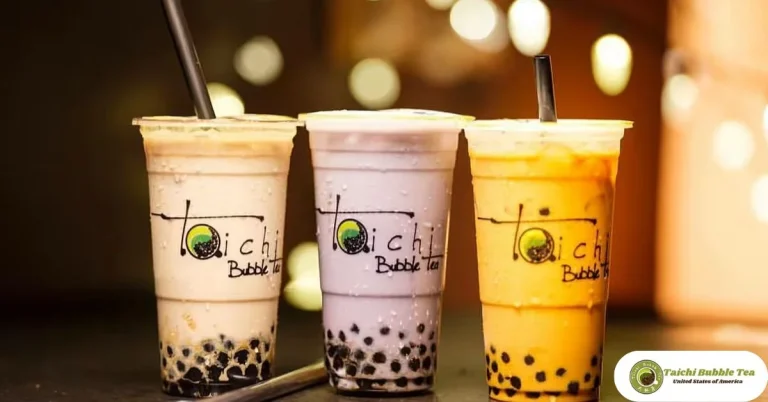
Let’s start with the classics because, frankly, this is where any bubble tea shop either succeeds or fails. Taichi’s milk tea selection includes their Signature Milk Tea, Classic Milk Tea, Assam Milk Tea, and Earl Grey Milk Tea among others.
Their Signature Milk Tea has a smoother, creamier texture than what I’ve experienced at other chains. After talking with several baristas across different locations, I learned they use a specific blend of black tea—reportedly mixing Ceylon and Taiwanese black tea—combined with their own creamer formula. The result is balanced: not too sweet, not too bitter, with enough tea flavor that you’re reminded you’re drinking tea, not just sugar milk.
The Assam variation offers a maltier, more robust flavor profile. If you’re someone who drinks milk tea because you actually like tea (imagine that!), this one delivers. I’ve watched customers who prefer stronger beverages gravitate toward this option, especially those who reduce the sugar level.
Fruit Teas: Where Taichi Really Shines
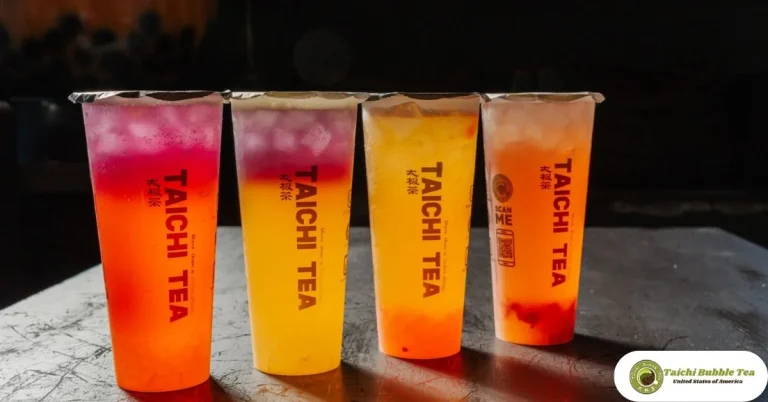
Here’s where things get interesting. The fruit tea category at Taichi has expanded considerably over the years, and in my opinion, this is where they’ve really carved out their niche.
Their Passion Fruit Green Tea has become something of a signature drink. Made with fresh passion fruit (at least at most locations—franchises can vary), quality green tea, and just the right amount of sweetness, it’s refreshing without being cloying. I’ve ordered this drink in different seasons, and I appreciate that they seem to adjust the fruit quantity based on availability and quality rather than using a syrup shortcut.
The Grapefruit series deserves special mention. Taichi offers both Grapefruit Green Tea and Grapefruit Black Tea, made with actual grapefruit pulp. There’s a pleasant bitterness that cuts through any sweetness, making these drinks particularly popular during summer months. According to a barista I spoke with in their San Gabriel location, these fruit teas outsell milk teas during warm weather by nearly two to one.
Other standouts include their Lychee series, Strawberry variations (seasonal), and a Mango Green Tea that uses real mango puree. The key difference I’ve noticed between Taichi and some competitors is the visible presence of actual fruit. You’re not just getting fruit-flavored sugar water.
Specialty and Seasonal Drinks: The Instagram Factor
Like most modern bubble tea chains, Taichi rotates seasonal specials throughout the year. I’ve tracked these over the past couple of years, and they typically align with traditional Taiwanese seasonal ingredients and holidays.
During winter, they’ve introduced drinks like Brown Sugar Ginger Milk Tea—a warming variation that incorporates ginger’s spiciness with the comfort of milk tea. In spring, they’ve launched Cherry Blossom themed drinks (which, admittedly, taste more like subtle floral notes than actual cherries, but the presentation is beautiful).
Summer brings out their most adventurous offerings. Last year’s Mango Sago with Pomelo was genuinely excellent—chewy sago pearls, sweet mango, and tart pomelo creating this complex texture and flavor experience. These seasonal drinks tend to be pricier (usually $1-2 more than standard menu items), but they’re often worth trying at least once.
The Topping Situation: More Important Than You’d Think
Can we talk about toppings? Because in the bubble tea world, this is where personal preferences get serious. Taichi offers an extensive topping menu that goes well beyond the basic tapioca pearls.
Their tapioca pearls (boba) are made fresh in-house daily, something I’ve verified by visiting at different times. Morning boba has a slightly firmer chew; afternoon boba is perfectly soft; evening boba can sometimes be a bit too soft if they’re from the last batch. This variation is actually a good sign—it means they’re not using preservatives to keep pearls consistent all day.
Beyond classic boba, they offer:
- Crystal Boba: Clear, soaked in honey or syrup, with a different texture
- Pudding: Egg-based, smooth, custard-like
- Aloe Vera: Refreshing, slightly chewy, great in fruit teas
- Herbal Jelly (Grass Jelly): Slightly bitter, traditional pairing with milk tea
- Coconut Jelly: Sweet, firmer texture
- Red Bean: Sweetened, adds thickness to drinks
- Cheese Foam: This deserves its own discussion
The cheese foam phenomenon has divided the bubble tea community, and Taichi has fully embraced it. It’s not actually cheese as you’d put on a sandwich—it’s a creamy, slightly salty foam made from cream cheese, milk, and whipping cream that sits atop your drink. You’re supposed to sip through it, getting foam with each drink of tea.
I was skeptical. Very skeptical. But pairing cheese foam with their Oolong Tea created this sweet-salty combination that actually worked. It’s definitely an acquired taste, and I wouldn’t get it on every drink, but it’s worth trying if you haven’t.
Customization: The Real Power Move
Here’s what separates bubble tea enthusiasts from casual drinkers: understanding customization options. The Taichi bubble tea menu allows for significant personalization, and knowing how to use this is key.
Sugar Levels: You can typically choose from 0%, 25%, 50%, 75%, or 100% sweetness. I almost always go with 50% or less. The default (100%) is genuinely too sweet for my taste, masking the actual tea flavor. Baristas have told me that 25-50% is increasingly popular as customers become more health-conscious.
Ice Levels: Similar percentages apply to ice. Less ice means more drink, but it also means your beverage will be less cold and potentially sweeter (since you’re not diluting it with melting ice).
Tea Base Options: Some drinks let you choose between green tea, black tea, or oolong as your base. This dramatically changes the flavor profile.
I’ve learned that the best approach is to ask the staff for recommendations based on your preferences. They make these drinks hundreds of times daily and genuinely know which combinations work.
Pricing Reality: What You’re Actually Paying
Let’s talk money because bubble tea isn’t exactly cheap anymore. Taichi’s pricing varies by location (real estate costs play a huge role), but generally:
- Classic milk teas: $4.50-$5.50
- Fruit teas: $5.00-$6.00
- Specialty drinks: $5.50-$7.00
- Extra toppings: $0.50-$0.75 each
A fully customized drink with multiple toppings can easily reach $8-9. Is it worth it? That depends on your priorities. You’re paying for fresh ingredients, quality tea, and the experience. Compared to Starbucks prices, it’s roughly equivalent. Compared to making tea at home, it’s obviously much more expensive.
I’ve noticed that Taichi occasionally offers promotions through their app—usually buy-one-get-one deals or percentage discounts. If you’re a regular customer, the loyalty program does add up over time.
Nutritional Considerations: The Elephant in the Room
I’d be doing you a disservice if I didn’t address the health aspect. Bubble tea, including Taichi’s offerings, is a treat—not a health drink. Even at 50% sweetness, you’re consuming significant sugar.
A standard 16 oz milk tea at 100% sweetness can contain 30-40 grams of sugar (similar to a can of soda). The tapioca pearls add additional calories and carbohydrates. If you’re watching your diet, the fruit teas with reduced sugar and no cream are better options, but they’re still sweet beverages.
Taichi has introduced some lighter options, like their “Fresh Milk” series that uses real milk instead of creamer, which feels slightly less indulgent. They’ve also added sugar-free sweetener options at some locations, though I’ve found the taste notably different.
Comparing Taichi to Other Chains
Having tried numerous bubble tea chains (Gong Cha, Tiger Sugar, Kung Fu Tea, CoCo, and many local shops), I can offer some perspective on where Taichi fits.
Taichi sits in the mid-to-upper tier in terms of quality and price. They’re not the cheapest option, but they’re also not the most expensive. What they do well is consistency—I’ve visited locations in different states and even different countries, and the quality remains relatively stable.
Their fruit teas genuinely compete with higher-end specialty shops, while their milk teas are solid but perhaps not revolutionary. Where they lose points is innovation—chains like Tiger Sugar have created more buzz with specific signature drinks, while Taichi takes a more traditional, comprehensive approach.
Regional Menu Variations: An Important Note
If you’re reading this from different locations, be aware that Taichi’s menu can vary significantly. The California locations tend to have more fruit tea options and seasonal specials. Asian locations often have items that haven’t made it to Western markets yet. Franchised locations might have slightly different offerings than corporate stores.
This has been a source of frustration when I’ve traveled expecting a specific drink, only to find it unavailable. Always check with your specific location or their online menu if you’re seeking something particular.
My Personal Ordering Strategy
After dozens of visits, here’s my go-to approach when visiting Taichi:
For a safe, satisfying choice: Signature Milk Tea, 50% sugar, regular ice, with pearls. It’s classic, well-executed, and hard to mess up.
For something refreshing: Passion Fruit Green Tea, 25% sugar, less ice, with aloe vera. Perfect for warm days.
For trying something different: Whatever the current seasonal special is, at 50% sugar.
I’ve learned to avoid ordering complex drinks during rush hours (typically 2-5 PM on weekends). The quality can suffer when they’re slammed with orders.
The Bottom Line
The Taichi bubble tea menu represents a comprehensive approach to bubble tea—they’re not trying to be the trendiest or the cheapest, but rather to offer quality, variety, and consistency. Whether that resonates with you depends on what you value in your bubble tea experience.
For newcomers, the menu can feel overwhelming, but the staff is generally helpful, and the quality is forgiving enough that it’s hard to order something truly bad. For enthusiasts, there’s enough variety and customization to keep things interesting, even if they’re not breaking new ground with innovative flavors.
Is Taichi the best bubble tea chain out there? That’s impossible to answer objectively. But it’s definitely one of the more reliable options, with a menu that balances tradition with modern preferences. And sometimes, especially when you just want a good bubble tea without overthinking it, that’s exactly what you need.
Next time you’re standing in front of that imposing menu board, take a breath. Start with something simple. Adjust the sugar down. And don’t be afraid to ask questions. The world of bubble tea is meant to be explored, not perfected on the first try. That’s half the fun.